

About Us
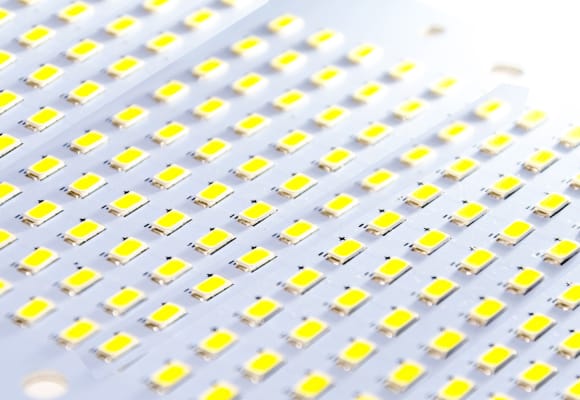
GeneLite was founded in 2003 as Japan’s first fabless LED venture company, focusing on product planning and research and development. With a background of constantly staying at the forefront of technology, GeneLite has pursued various business expansions. Additionally, it has entered the fields of electronic materials such as LED epitaxial wafers and batteries, as well as the nano-field.
Through these initiatives, GeneLite has established innovative methods for refining nano-particles and obtained patents. Leveraging its high technical expertise and rich experience, GeneLite actively engages in cooperation with domestic and international companies, actively participating as a trusted advisor for companies aiming for further innovation and growth through collaboration with reputable companies, seeking new business developments, both domestically and internationally.
GeneLite’s Innovative Technology
Peelable Nano Coating Technology
PVD Utilized Nanoparticle Fabrication Technology
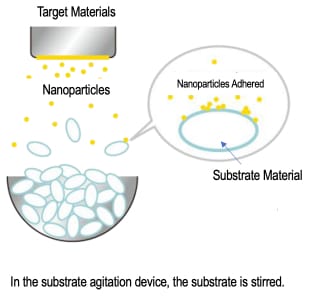
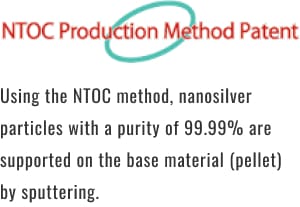
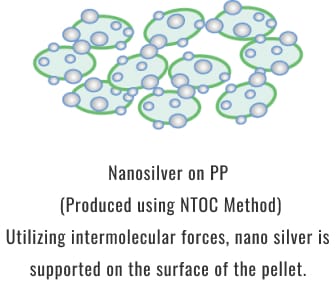
Utilizing the Initial Nucleation Theory of Thin Film Deposition, our proprietary technology method, Nano Target on Carrier (NTOC), forms stable composite materials by leveraging intersubstance forces to support nanoscale fine particles of (sputterable) metals, ceramics, alloys, using powder, granular solids, or liquids under specific conditions as the base material.
STEP01
STEP02
STEP03
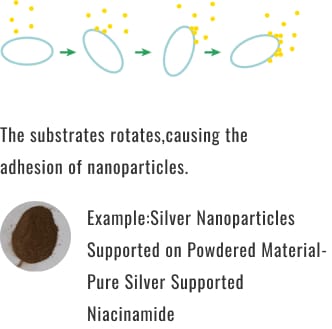
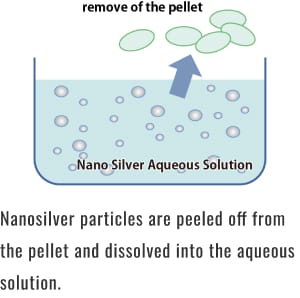
The notable advantage is the easy detachment of target materials, such as purposeful nanomaterials, from the carrier to which they are supported.
=You can exclusively obtain nanomaterials in their pure form.
Nano Silver Aqueous Solution Production Method and Mechanism
from Nano Silver Supported Pellets
STEP01
STEP02

STEP03
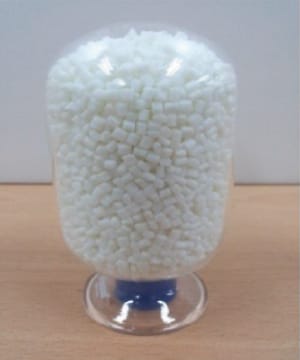
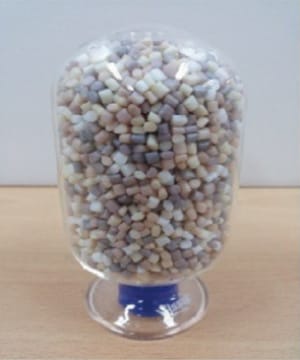
Differences in nano silver concentration carried on the surface of pellets
PP
Ag on PP 50ppm
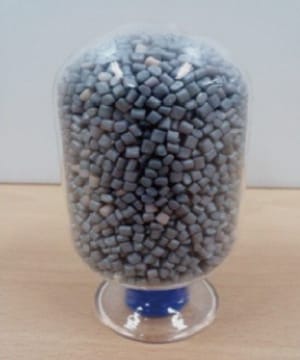
Ag on PP 200ppm
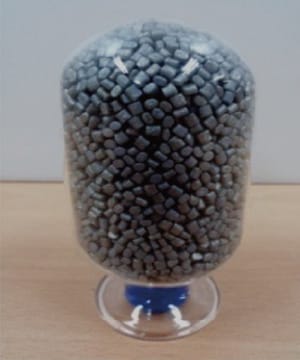
Ag on PP 400ppm
Our Challenge to Sustainable Plastics
GeneLite initiated basic research in 2014 and established the LIFE SCIENCE DIVISION in 2023, actively focusing on the development of environmentally friendly products.
By incorporating silver, the product is differentiated in the market as an environmentally conscious, healthy, and sustainable option.
Our efforts towards sustainable plastics
Fusion of Polylactic Acid (PLA) and Silver
Utilizing Silver as an Environmental Improvement Material in the Biodegradation Process of PLA.
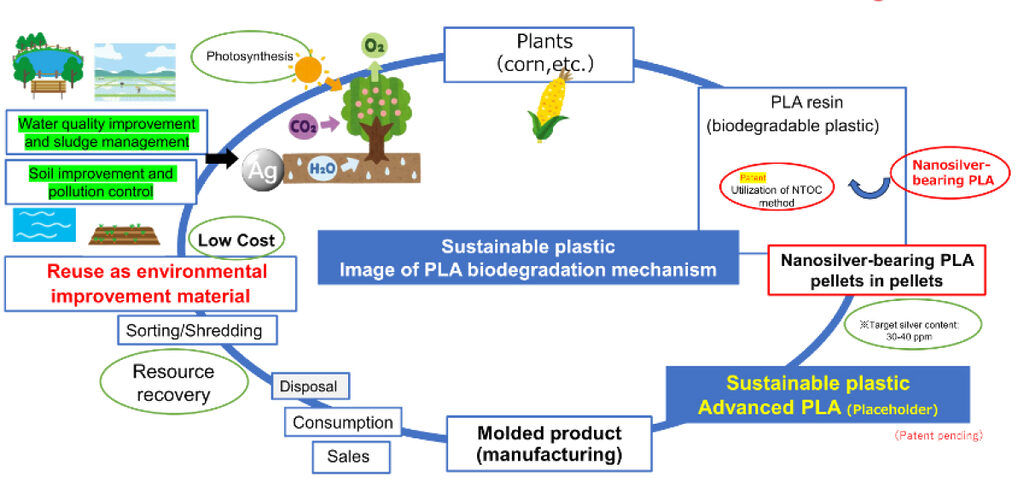
Benefits of Incorporating Silver into Polylactic Acid (PLA)
Biodegradability and Sustainability
・The incorporation of silver is expected to enhance the biodegradability of PLA, thus expanding its contribution to environmental sustainability.
Provision of Antibacterial Effects
・Inhibition of Microbial Growth: Silver possesses excellent antibacterial properties, and incorporating it into PLA provides antibacterial effects on the surface of the product. This inhibits microbial growth, helping to maintain a hygienic environment.
Improvement of Deodorizing Properties
・Odor Suppression
Silver also has deodorizing effects. By incorporating silver into PLA, the product can suppress the generation of odors even after
prolonged use, providing a comfortable environment for users.
This is beneficial for everyday products.
Positive Impact on Soil
・Reduction of Silver in Soil
When the product is disposed of, the silver contained in PLA is reduced into the soil. This helps reduce environmental burden and
contributes to improving soil quality. The addition of silver to the soil can also be expected to have antibacterial effects on
microorganisms. Furthermore, it can act as a nutrient element, contributing to the improvement of soil quality.
Improvement of Product Durability
・Waste Reduction
The antibacterial effects of silver protect the surface and interior of The product from deterioration caused by microorganisms,
thereby improving product durability. This allows the product to be used for an extended period, contributing to waste reduction.
The reduction effect of silver on soil
GeneLite is collaborating with the Chinese Academy of Agricultural Sciences to pursue a pesticide-free future. We are conducting field tests for the agricultural auxiliary material, the ‘e- Mineral Supplement Additive.’ Our proprietary ‘e-Mineral Additive,’ based on the unique NTOC method, is a gel-like mineral that remains neutral for an extended period within the body, ionizing the required amount for absorption. As a result, the absorption rate exceeds 90%. Through these initiatives, GeneLite is contributing to sustainable agriculture and environmental conservation.
Peelable Nano Technology ~Revers Thinking~
Reutilization of Nano silver-Bearing Pellets as Plastic Pellet Materials and Silver as Environmental Improvement Materials
Our Advanced Silver Nanoparticle Embedding Technology: NTOC Method
We employ our proprietary NTOC method to embed silver nanoparticles into plastics using intersubstance forces. This technology enables the easy separation of silver nanoparticles through immersion and agitation in aqueous solutions.
Effective detachment through proprietary bonding techniques
Silver nanoparticles can be effectively detached using our proprietary bonding techniques. Immersion and agitation in aqueous solutions facilitate smooth progress through reuse cycles.
Process of cyclical reuse
Plastics from which silver nanoparticles have been detached are reused to create new products, leveraging their properties. By embedding silver once again, this recycled plastic maintains sustainability and reduces environmental impact.
Contribution to the environment
Our silver nanoparticle-embedded plastics, utilizing our NTOC method and proprietary bonding techniques, facilitate effective reuse, contributing to environmental sustainability.
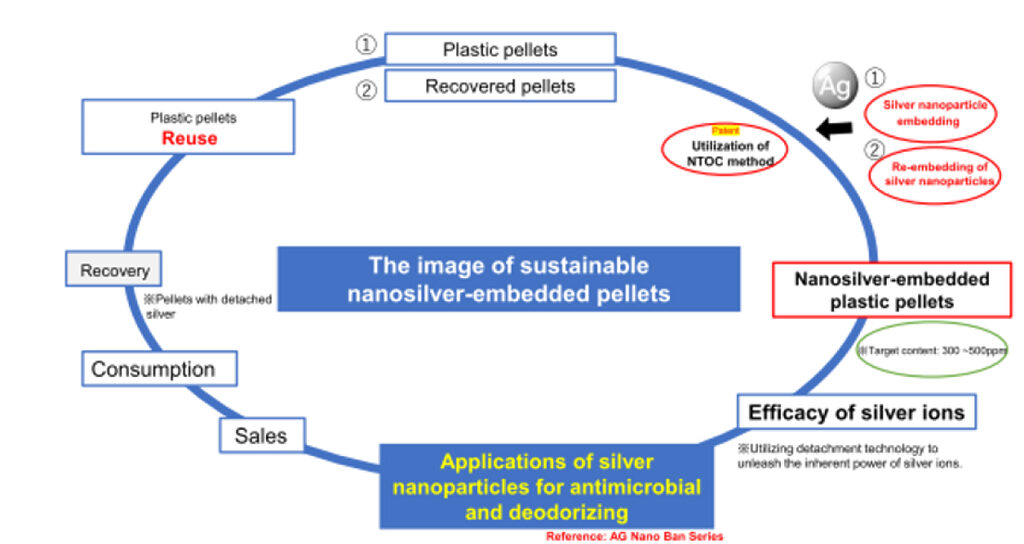
Applications of silver nanoparticles for antimicrobial and deodorizing
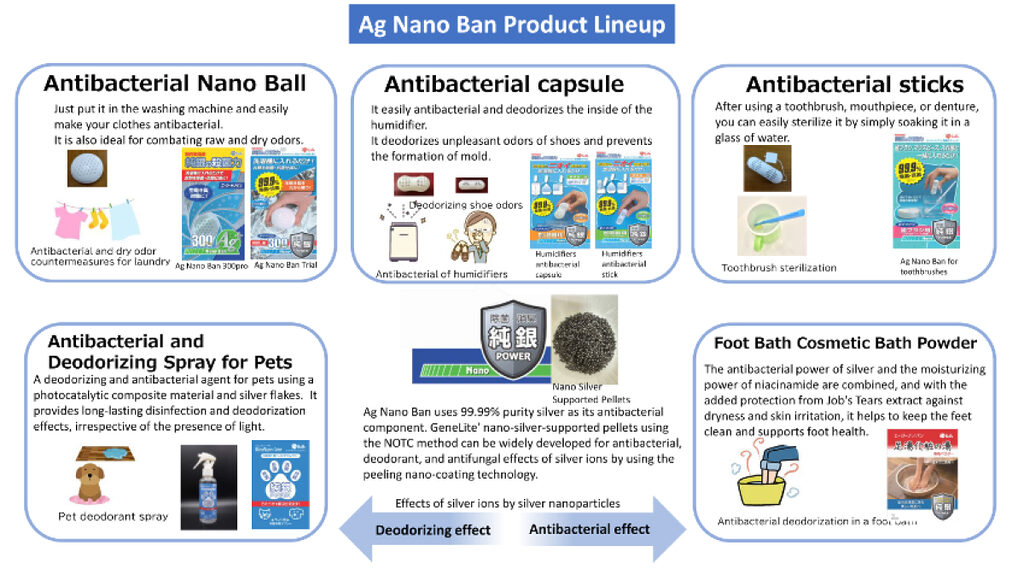
Ag Nano Ban Series

In preparation for unseen threats, Ag Nano Ban 300
Just like insurance, why not reinforce your defenses against bacteria
as well? It’s the era where you safeguard your health!
Ag Nano Ban 300 employs silver with a purity of 99.99% as its antibacterial component. The Nano Silver-bearing pellets, produced using our NOTC method, utilize a peelable nanocoating technology. This technology enables a broad spectrum of effects, including antibacterial, deodorizing, odor prevention, and mold prevention through the release of silver ions.
The efficacy of Ag Nano Ban 300 has been assessed and confirmed through antibacterial evaluation tests conducted by SGS (Testing method: ASTM E2149-20).
GeneLite NEW ITEM
Air Catalyst Nano Silver Pellet Ball Ag Nano Ban 300
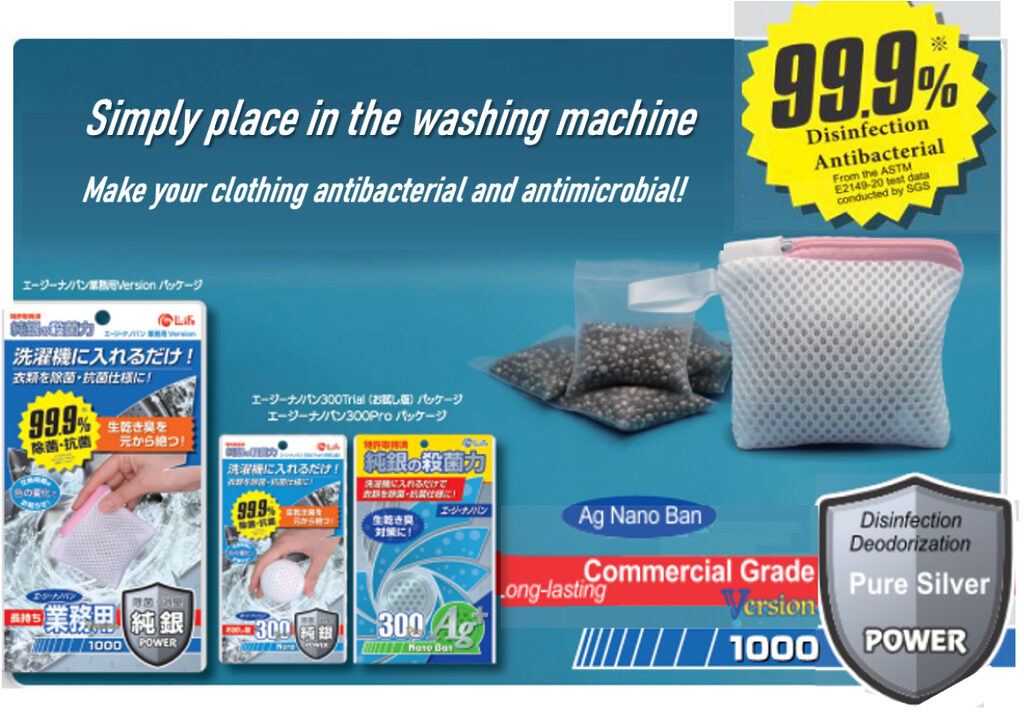
Simply toss the Ag Nano Ban capsule, ‘Antibacterial Nano Balls,’ into your washing machine during rinsing, and effortlessly transform your existing clothes into antibacterial garments.
Expected Effects and Instructions for Use
Silver has long been proven to be effective in antibacterial, deodorizing, odor- resistant, and anti-mold properties. In the flow of the washing machine, pure silver nanoparticles supported by antibacterial nano balls adhere to the fibers of the clothing, allowing the continuous antibacterial action of air catalyst silver ions (Ag+).
The silver particles detached from the pellet surface adhere to the fibers of the clothing through intermolecular forces, ensuring that the fabric remains undamaged. There is also no concern about color fading.
By washing with the antibacterial nano balls, nano silver particles adhere to the fibers with each wash, ensuring a continuous antibacterial effect.
The nano silver particles supported on the pellets indicate the replacement time through a change in color.
This innovative product allows for easy antibacterial treatment with pure silver particles without the use of chemical components at home.
While the drainage is relatively safe as it contains antibacterial water with nano silver particles, please avoid directly draining into groundwater or water sources.
Expect a reduction in bacteria and mold in the washing machine drum.
For humidifiers:
Nano-silver-pellets Ag Nano Ban Antibacterial Silk Capsules
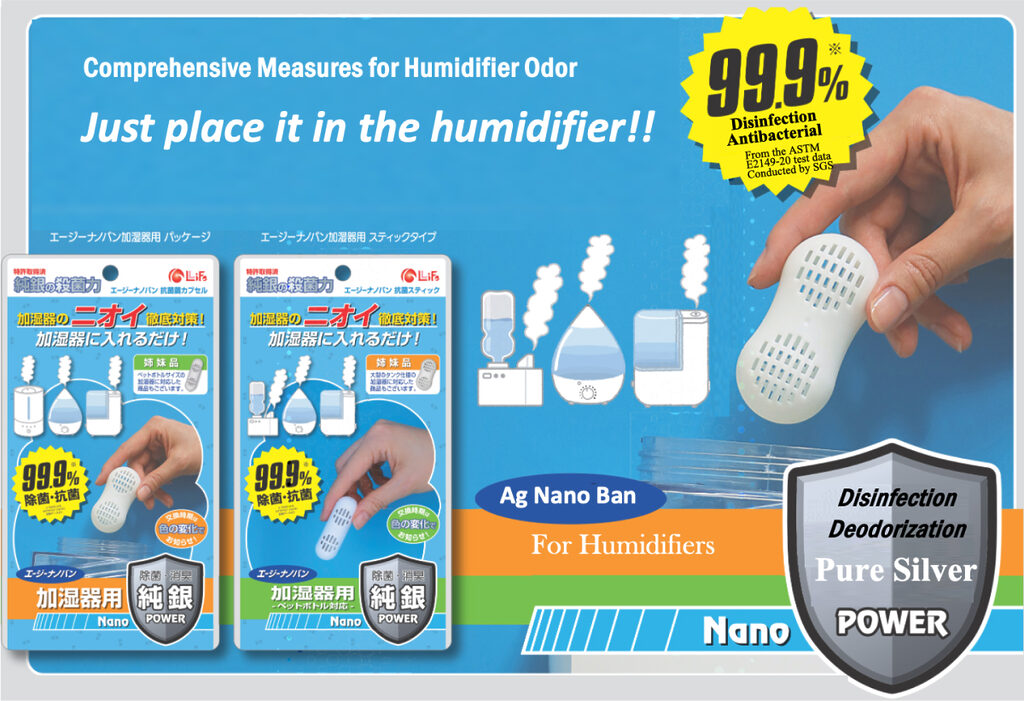
Simply placing these capsules in your humidifier tank enables antibacterial and antiviral effects within the tank and purifies the air in your room. It can provide an excellent living environment, especially for the elderly, babies, and individuals with pre-existing health conditions.
Expected Benefits: Antibacterial, Deodorizing, Odor Prevention, and Mold Prevention
Since the humidifier tank is filled with water and maintains an appropriate temperature, it becomes an ideal breeding ground for bacteria and germs. Without regular maintenance, there is a potential risk of the proliferation of bacteria such as Legionella. Inhaling air containing these bacteria can also lead to pneumonia. By placing Nano-silver-loaded pellets in the humidifier tank, the pure silver nanoparticles embedded in the pellets dissolve into silver ions, providing continuous antibacterial action within the tank. This helps prevent the growth of bacteria and ensures that the humidification process uses clean water containing silver ions, contributing to the purification of the air in your room.
Antibacterial Effect: Silver ions possess antibacterial properties, suppressing the growth of microorganisms in the water within the tank. This not only reduces the reproduction of bacteria and mold in the water but also helps mitigate the dispersion of bacteria and viruses into the air through the water vapor emitted by the humidifier.
Air Purification: Silver ions have the ability to decompose and eliminate tiny harmful substances and odors in the air. When silver ions are present in the water vapor released from ultrasonic humidifiers, they disperse throughout both large spaces and small gaps, adsorbing and neutralizing impurities and odors in the air. This results in providing a cleaner indoor air environment. Additionally, it can be effective in breaking down allergens present in pollen, as well as acting as a measure against germs and viruses.
Long-Term Effect: The effects of silver ions are relatively long-lasting. The presence of silver ions in the humidifier’s water helps reduce stubborn scale buildup, alleviating the burden of regular maintenance. It also inhibits the occurrence of black mold and red mold, which can contribute to slime and unpleasant odors. This leads to a reduction in the need for frequent maintenance and care.
Nano-silver-loaded pellets for toothbrushes –
‘ Ag Nano Ban Disinfection Stick’
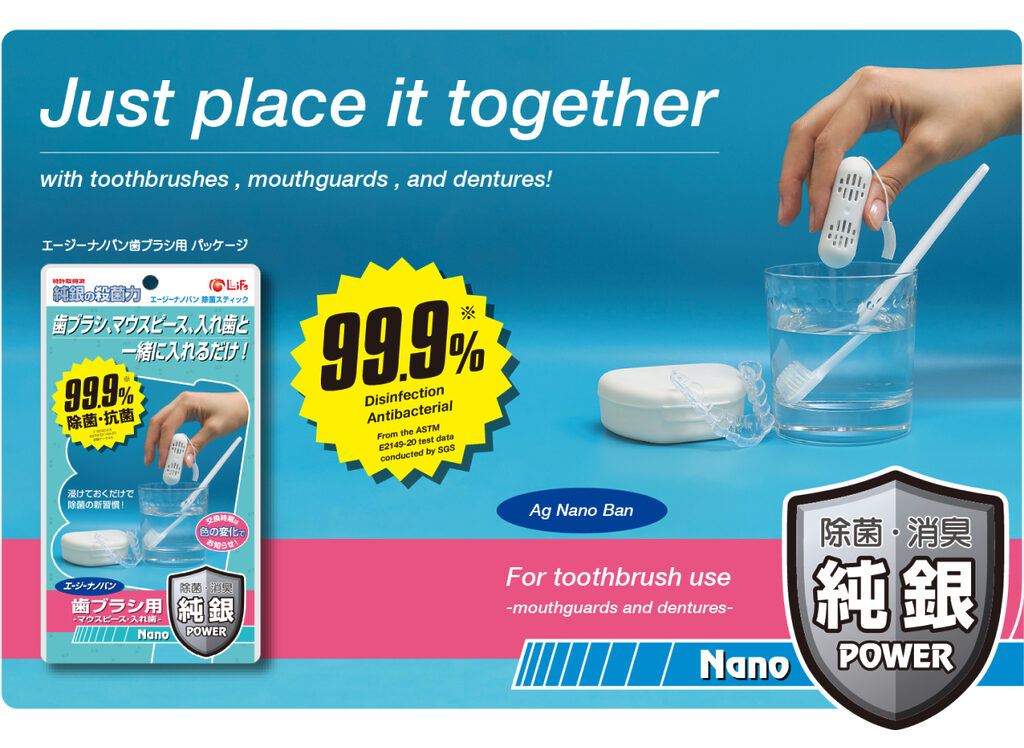
This disinfection stick utilizes pure silver nanoparticles embedded in antibacterial nano-silver pellets, generating silver ions that provide sustained antibacterial effects.
Expected Benefits: Antibacterial, Deodorizing, Odor Prevention, and Mold Prevention
Since toothbrushes are used to remove bacteria and debris from the oral cavity, they are prone to bacterial accumulation. Dentures, being used in the oral cavity, easily accumulate food particles and saliva. Without proper maintenance, both toothbrushes and dentures can become breeding grounds for bacteria, potentially reintroducing bacteria into the oral cavity. By simply placing antibacterial nano-silver pellets in a cup of water and soaking toothbrushes or dentures, you can easily achieve antibacterial and deodorizing effects, improving oral hygiene and supporting oral health.
Antibacterial Effect: Silver ions possess antibacterial properties, suppressing the growth of microorganisms in the water within the tank. This not only reduces the reproduction of bacteria and mold in the water but also helps mitigate the dispersion of bacteria and viruses into the air through the water vapor emitted by the humidifier.
Air Purification: Silver ions have the ability to decompose and eliminate tiny harmful substances and odors in the air. When silver ions are present in the water vapor released from ultrasonic humidifiers, they disperse throughout both large spaces and small gaps, adsorbing and neutralizing impurities and odors in the air. This results in providing a cleaner indoor air environment. Additionally, it can be effective in breaking down allergens present in pollen, as well as acting as a measure against germs and viruses.
Long-Term Effect: The effects of silver ions are relatively long-lasting. The presence of silver ions in the humidifier’s water helps reduce stubborn scale buildup, alleviating the burden of regular maintenance. It also inhibits the occurrence of black mold and red mold, which can contribute to slime and unpleasant odors. This leads to a reduction in the need for frequent maintenance and care.
Pet Antibacterial and Deodorizing Spray
“Ag Nano Ban Wannyan Care”
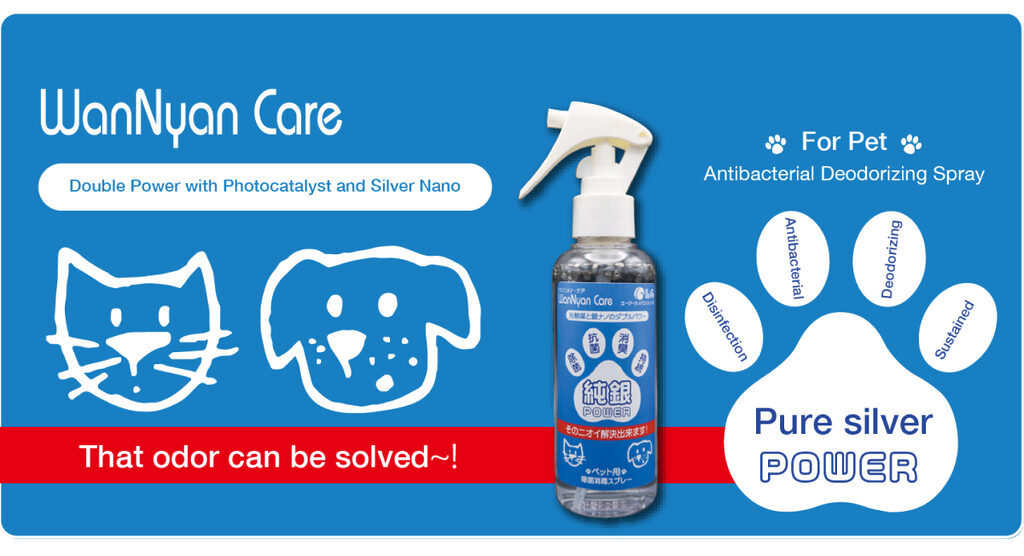
Our disinfectant and deodorizing spray is based on the photocatalyst composite material TTA⁺ ,approved by the U.S. FDA as a medical disinfectant(Registration Number 3010700940). Additionally, we combine our unique NTOC method with pellets coated with pure silver flakes, providing outstanding and long-lasting disinfection and deodorization effects, regardless of the presence of light.
This product is suitable for dogs, cats, small animals like hamsters, birds, ferrets, reptiles, and more. As a spray, it can be directly applied to pet cages, toilets, dishes, surrounding furniture, and floors, effectively disinfecting against bacteria and viruses with a long-lasting effect. Maintain a clean and comfortable environment for harmonious living with your pets.
Product Features and Expected Benefits: Disinfection, Antibacterial, Deodorization, Long-lasting.
Outstanding Properties of Photocatalyst TTA⁺
A photocatalyst activated by visible light, its main component is neutral, non-toxic, and harmless pure water. Certified as a medical disinfectant by the FDA, it exhibits excellent disinfection, antibacterial, and deodorizing effects. Thanks to the self-cleaning effect of the photocatalyst, its performance can be sustained over a relatively long period.
Outstanding Performance of Pure Silver Flakes
This product incorporates pure silver flakes into TTA⁺,and the pure silver flakes held by the pellets effectively inhibit microorganisms andachieve disinfection and deodorization effects regardless of the presence of light. Through this exquisite combination, the spray demonstrates outstanding performance in the fields of disinfection, antibacterial action, and deodorization, supporting a healthy and comfortable lifestyle.
Activated by visible light, it decomposes harmful microorganisms and unpleasant odors. It removes substances contributing to sick building syndrome, such as TVOC (Total Volatile Organic Compounds) and formaldehyde (toxic gas), improving indoor air quality and providing a comfortable living space. The self-cleaning effect ensures sustained effectiveness as long as the photocatalyst remains.
Powerful Bactericidal Effect of Pure Silver Flakes
The antibacterial, deodorizing, and mold-resistant effects of silver have been historically proven. This product allows for disinfection of pet cages, flooring surfaces, tables, and other pet-related items. It can also effectively clean and disinfect pet toys covered in saliva.
Deodorizing Effect
Effective for pet waste during walks, urine, as well as cleaning cages, toilets, and surrounding areas. It powerfully deodorizes and disinfects the living space of pets and the entire room.
Reduced Environmental Impact
This product uses neutral and harmless inorganic composite materials, making it an environmentally friendly green material. It achieves effective disinfection and deodorization while minimizing the impact on people and the environment.
Ag Nano Ban
Foot Bath Cosmetic Hot Water Exclusive Powder

This foot bath cosmetic hot water exclusive powder can be easily dissolved in foot bath water and used as a skincare lotion, serving as a moisturizing lotion for your feet. It’s an ideal choice for achieving both beauty and care for your feet amidst the busy demands of daily life. With its luxurious feel, it gently nurtures the skin on your feet, and its unique ingredients (silver, vitamin B3) help maintain cleanliness, leading to soft and beautiful feet. As a weekend treat, please enjoy AG NANO BAN Foot Bath Cosmetic Hot Water.
Special Note
A luxurious blend of niacinamide (Vitamin B3) and nano silver flakes. The silver ions from nano silver flakes cleanse the skin, while Vitamin B3 provides abundant moisture, prevents sun-induced spots, and brightens the skin. Additionally, natural moisturizing ingredient Job’s Tears extract protects the skin from dryness and irritation. This special combination supports the health and beauty of the feet, refining skin texture, preventing skin issues, and leaving the feet soft, firm, and radiant.
Usage Instructions
・Prepare a sufficient amount of warm water in a foot bath tub. Adjust the water temperature to a comfortable range.
・ Add one packet of powder (approximately for 3 to 10 liters) to the water. The powder will dissolve slowly, so gently stir the water to ensure even dissolution.
・Soak your feet slowly and enjoy a foot bath. For an even distribution of ingredients, you may lightly massage your feet as needed.
・When the water cools down, conclude the foot bath, thoroughly rinse your feet and pat them dry.
Caution for Use
・When disposing of the product, please follow the regulations of your local area or country.
・This product does not have a cleansing effect on foot dirt.
・Please do not use for purposes other than in water.
・When using this product, avoid simultaneous use with other deodorizing products or chemicals, as unexpected reactions may occur. Do not combine with different products.
・If the cosmetic product does not agree with your skin, such as in the following cases, please discontinue use. Continuing to use cosmetic products in such situations may worsen symptoms, so it is recommended to consult with a dermatologist or a specialist in skin care.
If you experience any abnormalities such as redness, swelling, itching, or irritation during use, please discontinue use immediately.
If abnormalities such as redness, swelling, itching, or irritation appear on the skin where the product was applied, and it is exposed to directsunlight, discontinue use immediately.
・Please do not use on areas with wounds, swelling, eczema, or any other abnormalities.
・Consult with a physician before use if pregnant or if you have specific skin conditions.
・After use, be sure to thoroughly wash and rinse your feet to remove any residual product. If residue remains on the skin, it may cause sensitivity or irritation.
・The water after use, containing trace amounts of silver nanoparticles as antibacterial agents,is relatively safe for drainage. However, please be cautious not to directly discharge it into groundwater or water sources.
・Please refrain from using the product for purposes other than its intended use.
Storage Instructions
・This product is not edible. To prevent accidental ingestion, store it in a place out of reach of infants, toddlers, and pets.
・When storing this product, avoid high temperatures and humidity. Store it in a cool, dark place away from direct sunlight.
Quality Information
| Quality Information | |
|---|---|
| Model Name | Ag Nano Ban Foot Bath Cosmetic Hot Water Exclusive Powder |
| Quantity | 5g/1 pack |
| USAGE | For Foot Bath Cosmetic Hot Water |
| Ingredients | Sodium Bicarbonate・Sodium Carbonate・Citric Acid Niacinamide ・PEG-150・Silica・Silver・Job’s Tears Seed Extract |
Antimicrobial and Disinfecting Metals: What Are They?
Silver and copper, which have captivated humankind since ancient times with their beautiful luster and mysterious power, are not merely ornaments or symbols of wealth. They have also held a special significance in their “germ-killing power,” suppressing unseen microorganisms. We will delve into how these two metals, backed by an ancient history, have had their mechanisms elucidated by modern science and are being applied in medicine, daily life, and even future technology, incorporating the latest research trends and specific application examples.
Silver: Disinfecting Action Evolving Through Fusion with Nanotechnology
Silver ions (Ag+) exert a disinfecting effect by penetrating the cell membrane of bacteria and binding to proteins within the cell. Silver possesses considerable disinfecting power even in small amounts and has been historically used for water preservation. More recently, silver nanoparticles have rapidly become widespread. By increasing the surface area, they can achieve a high disinfecting effect with a smaller amount of silver. It is utilized in many products, such as antimicrobial masks and $\text{Ag}^+$-infused sprays, and is effective against a wide variety of microorganisms.
Copper: At the Forefront of Preventing Contact Infection
Copper ions (Cu2+) exert their disinfecting action by damaging the bacterial cell membrane, entering the cell, inhibiting enzyme function, and causing damage to DNA.Because copper’s efficacy persists even on dry surfaces, it is garnering attention for its use on hospital handrails and door handles to reduce the risk of hospital-acquired infections (HAIs). Research has shown it to be effective even against highly contagious pathogens such as MRSA (Methicillin-resistant Staphylococcus aureus) and Norovirus.
Brass: A Balanced Disinfecting Material
Brass (an alloy of copper and zinc) primarily owes its disinfecting properties to copper ions (CU2+). Being harder and easier to process than pure copper, and having an attractive appearance, it has been used since ancient times for ornaments, architectural hardware, and musical instruments.The copper ions dissolving from the brass act upon bacteria to exert a disinfecting effect, though this effect varies depending on the copper content and the surface condition. Zinc is also known to have a slight antimicrobial effect, which contributes to brass’s overall disinfecting property. Due to its attractive appearance, brass is being re-evaluated in various settings as a material that combines beauty and hygiene.
The Antimicrobial History of the Two Metals That Supported Civilization
| Metal | History of Discovery and Use | Main Uses |
| Silver | Approx. 6,000 years ago: Granular native silver is believed to have been discovered and processed in the Anatolian Peninsula. | Ancient Times: Ornaments, currency, expensive tableware. Modern Times: Ornaments, electronic components, catalysts, antimicrobial products (nanoparticle coatings), medical supplies (wound dressings, etc.). |
| Copper | Approx. 11,000 years ago: Remains believed to be natural copper processed by hammering with stone tools have been found in the Anatolia region. Smelting technology began to be used 6,000 years ago, transitioning into the Bronze Age. | Ancient Times: Tools, ornaments, weapons, farming implements. Modern Times: Electric wires, plumbing, alloy materials, antimicrobial products (door handles, medical devices, etc.). |
| Brass | Ancient Times: Manufacturing techniques, particularly the Calamine process, were developed, notably during the Roman Empire. | Ancient Times: Ornaments, currency, musical instruments, containers. Modern Times: Architectural hardware (door knobs, faucets), musical instruments, machine parts, ammunition, antimicrobial products. |
Rediscovering Ancient Wisdom with Modern Science
The representative antimicrobial and disinfecting metals are silver, copper/brass.
Their respective features are as follows:
Silver : Evolving Antimicrobial Action Through Nanotechnology Fusion
Silver ions ( Ag
Copper : On the Front Line of Contact Infection Prevention
Copper ions ( Cu
Brass : A Balanced Antimicrobial Material
Brass is an alloy of copper and zinc, and the principal agent of its antimicrobial property is the copper ion.
Brass is harder than pure copper, easy to work with, and aesthetically pleasing, which is why it has been used historically for ornaments, architectural hardware, and musical instruments. The copper ions released from the brass act on bacteria to exhibit a sanitizing effect, though this efficacy varies depending on the copper content and the surface condition.
Zinc is also known to have a slight antimicrobial effect and contributes to the overall sanitizing properties of brass. Due to its attractive appearance, brass is being re-evaluated in various settings as a material that combines both beauty and hygiene.
Comparison of Antimicrobial Mechanisms: Silver vs. Copper and Brass
| Site of Action | Silver Ions | Copper Ions |
|---|---|---|
| Cell Membrane | Strongly bind to negatively charged molecules on the cell membrane surface, altering the structure and increasing permeability. This results in a loss of control over substance exchange across the cell, inhibiting cellular function | Bind to phospholipids and proteins in the cell membrane, destabilizing the structure and increasing permeability. This results in a breakdown of the substance balance inside and outside the cell, reducing cellular function. |
| Essential Enzymes | Alter the structure of bacterial proteins, especially enzymes, thereby inhibiting enzyme function. This blocks processes necessary for bacterial survival, leading to cell death. | Bind to the active sites of respiratory and metabolic enzymes, changing their three-dimensional structure and inhibiting their catalytic function. This blocks vital life-sustaining processes such as energy production and material synthesis, leading to cell death. |
| Genetic Material | Interact with DNA and RNA, inhibiting enzyme function necessary for replication or directly binding to and altering the structure of the DNA strands. This obstructs the transmission of genetic information and prevents bacterial proliferation. | Interact with nucleic acids, such as DNA and RNA, potentially damaging their structure or inhibiting the transcription and translation of genetic information. This impedes the bacteria’s ability to proliferate. |
The antimicrobial mechanism of brass involves the role of copper ions and the effect of its alloy composition.
Brass is an alloy of copper and zinc, typically consisting of around 60% to 90% copper. The sterilizing effect is achieved when a trace amount of copper ions leach out from the surface of the brass. The presence of moisture (such as humidity in the air or sweat from hands) causes the copper to ionize and dissolve from the surface. This ionized copper, when it comes into contact with bacteria and viruses, triggers the antimicrobial action.
The copper ions leached from brass affect bacteria in the following ways :
・Act on DNA and RNA to prevent bacterial proliferation
・Destroy the bacterial cell membrane
・Inhibit the function of essential enzymes
The antimicrobial efficacy of brass is primarily related to copper, and the higher the copper content, the greater the tendency for stronger antimicrobial power. While zinc is known to have a sterilizing effect against certain bacteria at high concentrations, the main agent in brass remains the copper ion. However, the presence of zinc may influence how copper ions are released, suggesting that the alloy’s combined mechanism requires further study.
Brass is susceptible to oxidation and tarnishing, but it has been shown to reduce bacteria when properly maintained (polished and cleaned). The patina (verdigris) that forms on the surface of brass (copper) does not possess strong antimicrobial properties itself, but it does not completely stop the dissolution of copper ions. As long as copper ions continue to be released from the brass, the antimicrobial efficacy is maintained.
Comparison of Properties: Silver, Copper, and Brass
Both copper and silver are metals with excellent antimicrobial properties, but distinct differences exist in their characteristics.
| Property | Silver | Copper | Brass |
|---|---|---|---|
| Killing Speed | 〇 Relatively fast, but sometimes not as rapid as copper. Efficacy may be affected by temperature. [E.g., Efficacy against S. aureus can be temperature-dependent.] | ◎ Very fast. Significant reduction within minutes of contact. Stable even at low temperatures. [E.g., Inactivates MRSA within minutes.] | 〇 May not be as fast as pure copper, but possesses sufficient killing speed. Depends on copper content. [E.g., High-copper brass is reported to show efficacy close to that of pure copper.] |
| Antimicrobial Spectrum | ◎ Effective against a wide range of bacteria. Some studies suggest its effect against molds is inferior to copper. [E.g., Broad efficacy against Gram-positive and Gram-negative bacteria.] | ◎ Highly potent against specific hospital-acquired bacteria. Effective against mold/fungi. [E.g., High efficacy against P. aeruginosa and Acinetobacter species.] | ◎ Effective against a wide range of bacteria, similar to copper.Proven efficacy in reducing bacteria on touch surfaces against various pathogens. |
| Durability | △ Potential for reduced efficacy over time. [E.g., Sulfidation on the surface can potentially reduce efficacy.] | ◎ Possesses self-sanitizing properties. Maintains antimicrobial efficacy even after contamination. Stable over long periods. [E.g., The oxide film formed on the surface does not compromise antimicrobial properties.] | 〇 Possesses self-sanitizing properties, but the formation of tarnish (verdigris/patina) or accumulated dirt may hinder copper ion dissolution, potentially reducing efficacy. Efficacy can be maintained with regular cleaning. |
| Safety | 〇 Requires appropriate concentration and exposure time. Safety evaluation for nanoparticles is ongoing. 【[E.g., Long-term exposure at high concentrations is under study.] | ◎ Low human toxicity. Safe for wide-ranging applications. [E.g., It is an essential trace element with existing metabolic mechanisms in the body.] | ◎ Low human toxicity. Highly safe, similar to copper, and widely used for daily contact surfaces. 。 Allergic reactions are rare. |
| Cost-Effectiveness | △ More expensive than copper. Often involves ionization processing. 【[E.g., Nanoparticle formation or coating can incur high costs.] | 〇 Less expensive than silver.そのまま使用可能でコスト効率良。 【例:大規模な設備への導入 コストを抑えられる】 | ◎ 銅より安価な場合が多く、亜鉛の配合によりコストを抑えられる。加工性も良く、複雑な形状の製品を大量生産するのに適している。 |
| 環境性 | △ 希少性あり。リサイクルが重要である。 【例:資源の枯渇が懸念されている】 | ◎ 豊富に存在しリサイクルが容易である。 持続可能性あり。 | 〇 銅と同様にリサイクル可能であり、比較的持続可能性の高い素材。ただし、合金であるためリサイクルのプロセスは純粋な銅とは異なる場合がある。 |
| 主な用途例 | 医療用品(創傷被覆材 – 事例1、カテーテル – 事例2)、水処理(フィルター – 事例4)、日用品(化粧品 – 事例6、食品包装材 – 事例7)、抗菌コーティング(マスクなど)。 | 医療設備(ドアノブ – 事例9、手すり – 事例9)、公共施設(タッチパネル – 事例11)、家庭用品(まな板 – 事例10、水栓金具)、抗菌繊維(靴下 – 事例12)、カビ対策建材など。 | 建築金物(ドアノブ – 事例9関連、蛇口 – 事例9-2)、楽器、装飾品、公共施設の手すりや内装材(事例11関連)、機械部品、バルブや配管継手など、美観と抗菌性が求められる幅広い分野。 |
Comparison of Antimicrobial Efficacy and Safety: Silver vs. Copper
The problem of antibiotic-resistant bacteria has recently grown in scale, and in some areas, it cannot be solved by antibiotics alone. For this reason, metals known since antiquity, such as silver, copper, and brass, are receiving renewed attention. Each of these metals can attack bacteria in its own unique way, with their efficacy particularly anticipated on touch surfaces.
Furthermore, the effectiveness of copper against potent bacteria like MRSA (Methicillin-resistant Staphylococcus aureus), VRE (Vancomycin-resistant Enterococcus), as well as viruses such as influenza virus and norovirus, and the SARS-CoV-2 (COVID-19) virus that gained attention during the recent pandemic, has been confirmed in various studies.
Research is also progressing not only on their efficacy but also on their safety for both humans and the environment.
I. Silver ($Ag$): Multifaceted Antimicrobial Action
The growing problem of antibiotic-resistant bacteria highlights areas where antibiotics alone cannot provide a complete solution. For this reason, metals known since antiquity, such as silver, copper, and brass, are receiving renewed attention. Each of these metals can attack bacteria in its own unique way, with their efficacy particularly anticipated on touch surfaces.
Silver, particularly in its nanoparticle form, is recognized for its potential effectiveness even against resistant strains. Silver ions attack bacteria through several mechanisms:
- Damaging the bacterial cell membrane.
- Interfering with the function of enzymes inside the cell.
This diversified mechanism makes it difficult for bacteria to develop resistance to silver. However, more detailed research is needed concerning the long-term risk of resistant strain emergence with prolonged use.
The safety of silver varies depending on its form (ion or nanoparticle), concentration, and how it contacts the body. Under certain conditions, silver may exhibit toxicity to cells or potentially harm aquatic life. Therefore, the control of concentration and particle size is crucial for the safe use of silver-based products. Currently, international efforts are underway to evaluate the safety of silver-based products, alongside research into its behavior within the body and its long-term effects.
II. Copper ($Cu$) and Brass: Rapid Contact Killing
Copper and brass also possess potent antimicrobial properties. When bacteria land on a copper surface, they are often killed within a short period—a phenomenon known as “contact killing.” This occurs as copper ions are absorbed by the bacteria.
The copper ions then inflict damage through several mechanisms :
- Damaging the bacterial cell membrane.
- Inhibiting the function of essential proteins and enzymes.
- Damaging DNA.
Recent research has also revealed that copper ions can generate Reactive Oxygen Species (ROS) inside the bacteria, which further contributes to cellular damage.
Copper and brass have been confirmed to be effective against resistant strains like MRSA and VRE, as well as viruses such as the influenza virus, norovirus, and SARS-CoV-2 (COVID-19). The use of copper alloys on high-touch hospital surfaces like door knobs and handrails is expected to reduce the risk of infection. Indeed, such applications are becoming more common. Research is ongoing in this field, leading to the development of antimicrobial fibers and coatings utilizing copper, with potential uses also expanding into water and food hygiene management.
Regarding copper’s safety, it is an essential trace element for humans, and the risk associated with normal contact is considered low. However, excessive copper in the environment can adversely affect aquatic life. Consequently, research focused on mitigating its environmental impact is advancing.
Conclusion
Silver, copper, and brass each offer unique ways to combat bacteria. Silver features multifaceted mechanisms of action, while copper and brass are known for their rapid, sustained efficacy on contact surfaces. However, to safely utilize these metals, careful research and consideration of their application methods remain essential. Continued research in this field is highly anticipated.
Advancing Antimicrobial Silver through Nanotechnology
Nanotechnology has significantly boosted the effectiveness and scope of silver’s antimicrobial applications by increasing the surface area for ion release.
In the Healthcare Sector, silver’s utility is wide-ranging. For example, wound care products (Case 1), such as dressings and ointments containing silver nanoparticles ($Ag$NPs), are widely used to prevent infections in burns and bedsores, and to promote healing. Because $Ag$ ions act on a broad spectrum of microorganisms, they are particularly valuable when antibiotics are less effective. Furthermore, medical devices like catheters and artificial joints (Case 2) coated with $Ag$NPs help suppress the formation of biofilms, thereby reducing the risk of Hospital-Acquired Infections (HAIs). $Ag$NPs are also being incorporated into dental cement and filling materials (Case 3) to inhibit bacterial growth in the oral cavity.
For Environmental Purification, $Ag$NPs are utilized in water treatment filters (Case 4) to remove bacteria from drinking and industrial water. Similarly, antimicrobial textiles (Case 5) blended with $Ag$NPs are used in air purifier filters and clothing, providing crucial antimicrobial and deodorizing effects, especially in high-hygiene areas like sportswear and medical uniforms.
In Daily Life, $Ag$NPs are added to cosmetics (Case 6) for product preservation and to control bacterial proliferation on the skin. Food packaging materials (Case 7) coated with $Ag$NPs are also expected to maintain food freshness and inhibit bacterial spoilage, potentially leading to a reduction in food waste.
Copper’s Innovation in Contact Infection Control
Copper and its alloys (including brass) are fundamentally changing how we approach contact-based infection prevention, thanks to their potent and rapid “contact killing” property.
In the Healthcare Sector, numerous reports highlight copper’s effectiveness. For instance, in US hospitals (Case 8), replacing ICU bed rails and IV poles with copper alloys (which may include brass) significantly reduced the risk of Hospital-Acquired Infections (HAIs). Similarly, UK hospitals (Case 9) reported reduced bacterial counts and less frequent cleaning after adopting copper alloy door knobs and handrails. (Brass door knobs, in particular, have a long history of use, valued for both their design and antimicrobial qualities.)
In Daily Life, the applications are diverse. Japanese manufacturers (Case 10) sell copper cutting boards and bowls to suppress bacterial growth. Historically, copper pots are favored for jam making not only for the enhanced color but also because copper ions react with pectin to aid setting and inhibit microbial spoilage. Abroad, experimental initiatives (Case 11) have introduced copper alloys to public transit handrails and straps to verify their antimicrobial efficacy. (Brass is also a common material for handrails and grab bars in public spaces, valued for both hygiene and aesthetics.) Furthermore, sports apparel companies (Case 12) have developed socks and sportswear woven with copper fibers to suppress bacteria from sweat, providing a strong deodorizing effect. Finally, brass fixtures such as faucets and architectural hardware (Case 12-2) are widely used in both residential and public facilities, offering hygienic benefits on frequently touched surfaces alongside aesthetic appeal.
Expanding Potential of Antimicrobial Metals
The role of antimicrobial metals is growing rapidly across critical sectors, driven by the need to combat persistent pathogens and antibiotic resistance.
Healthcare Applications
The implementation of copper alloy equipment (including brass fixtures, as seen in Cases 8 and 9) is actively reducing the risk of hospital-acquired infections (HAIs). The recent pandemic has further underscored the critical importance of these self-sanitizing surfaces.
Simultaneously, medical devices utilizing silver nanoparticles (Case 2) are proving effective in preventing catheter-associated urinary tract infections (CAUTI) and catheter-related bloodstream infections (CRBSI). Furthermore, silver-containing materials in dental care (Case 3) remain in general use.
Beyond surfaces, research into air purification systems is advancing, focusing on technologies that use copper and silver to break down and remove airborne pathogens, indicating a shift towards holistic environmental hygiene.
Daily Life Applications
In the kitchen, copper cooking utensils (Case 10) are being re-evaluated for their role in enhancing food safety.
For consumer products, cosmetics and food packaging incorporating silver nanoparticles (Cases 6 and 7) are helping to maintain product safety and freshness, respectively.
Antimicrobial metal fibers are seeing broad deployment in hygienic goods (Case 5), ranging from sports gear to medical applications.
In public transportation, initiatives are underway to improve hygiene in shared spaces by introducing copper alloy handrails and grab bars (Case 11), often including brass options, which are touched by many people.
Finally, water treatment filters using silver nanoparticles (Case 4) are expected to make a vital contribution to providing safe drinking water, particularly in developing countries. The use of antimicrobial properties is also becoming standard in everyday items like faucets and door knobs (Case 12-2) that we touch regularly.
The Promising Future of Antimicrobial Metals
Antimicrobial metals are poised to play an indispensable role in safeguarding our health and safety, merging ancient wisdom with modern technology.
Self-sanitizing smart materials (where the use of copper and brass is highly anticipated in areas like airport terminals, station touch panels, ATMs, and public kiosks) will reduce cleaning efforts and ensure surfaces are continuously kept clean.
Copper-based environmental management systems (such as those for wastewater treatment plants and livestock waste management) are expected to take on a critical role in controlling pathogens on a larger scale.
Apparel utilizing antimicrobial metal fibers (including infection-preventive clothing, uniforms for healthcare workers, and sportswear) will help reduce infection risks simply by being worn.
Furthermore, diagnostic devices utilizing silver nanoparticles are being developed to enable more sensitive and rapid detection of pathogens.
Attempts are also being made to integrate the antimicrobial properties of brass into architectural design to create visually appealing and hygienic spaces in hospitals, schools, and public facilities.
Beyond the raw metals, the development of new antimicrobial materials that mimic the mechanisms of copper, silver, and brass is currently underway.
Copper, silver, and brass are each leveraging their unique properties to fulfill crucial antimicrobial roles in modern society. Copper, being relatively low-cost and highly safe, is essential for contact infection control in medical settings. Silver provides broad-spectrum antimicrobial power, useful for preventing infections in medical devices and for water purification. Additionally, brass combines aesthetics with practicality, contributing to the maintenance of hygienic environments in everyday products and public spaces.
It is anticipated that future technological advancements will further unlock the full antimicrobial potential of these metals, making them essential components for protecting our health and safety. Understanding and appropriately utilizing the distinct characteristics of each metal is expected to lead to the realization of a safer and more secure society, as ancient wisdom fuses with modern technology.
Commercialization of Antimicrobial Metal Nanoparticles
Our Life Science Division is developing nano-products based on the antimicrobial metals silver and brass.
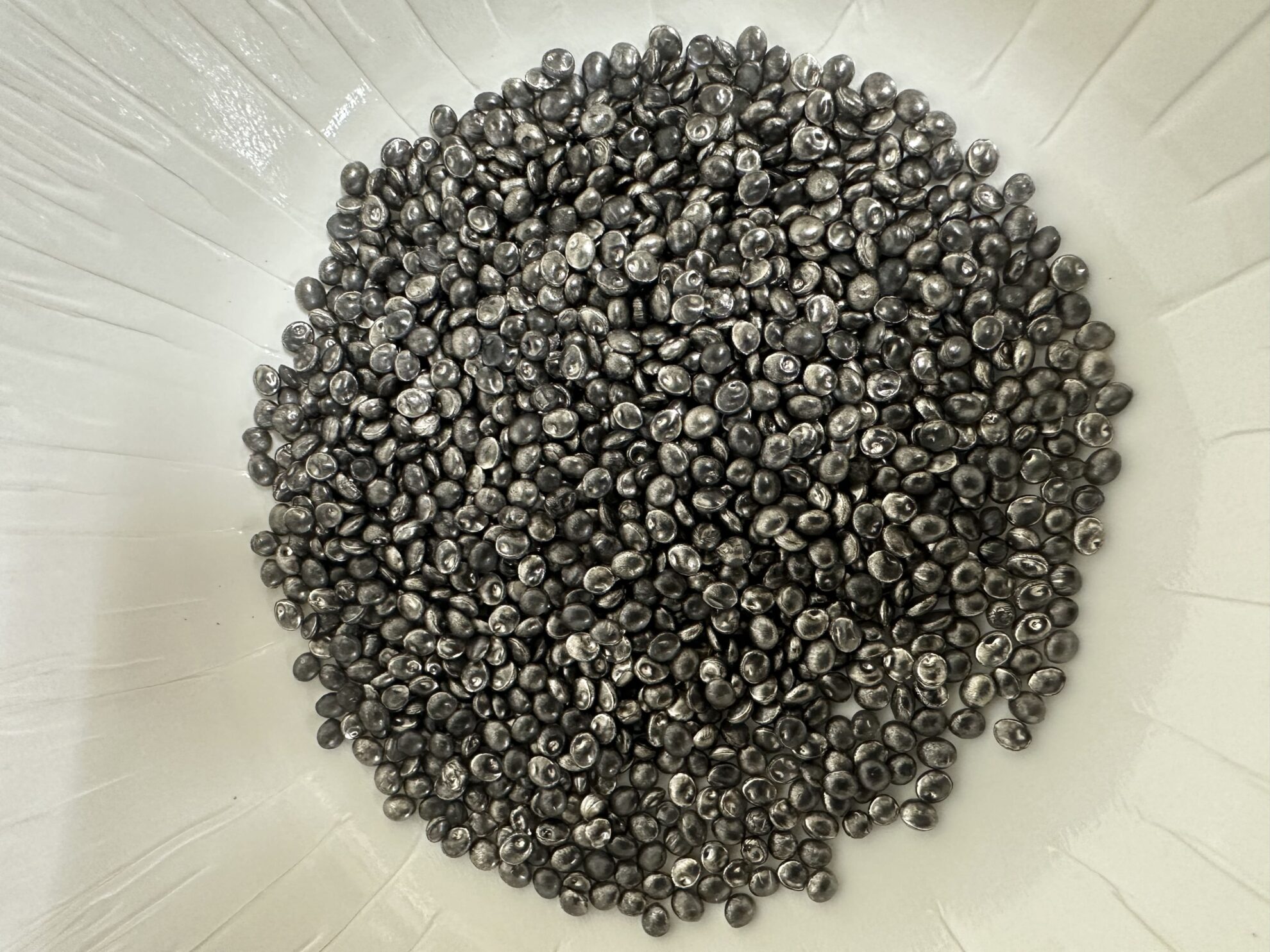
Silver Nanoparticles Supported on PP Resin
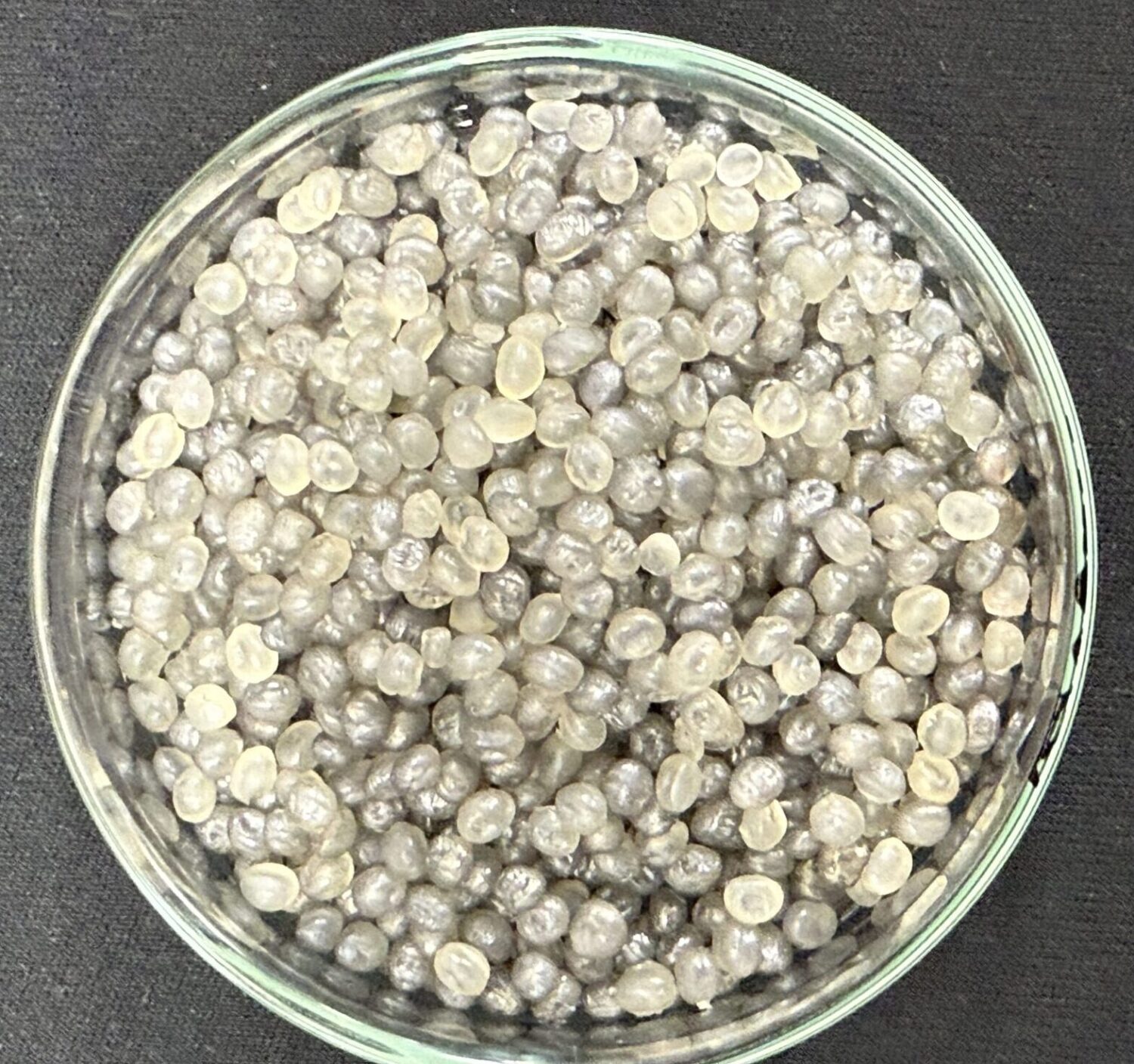
Brass Nanoparticles Supported on PP Resin
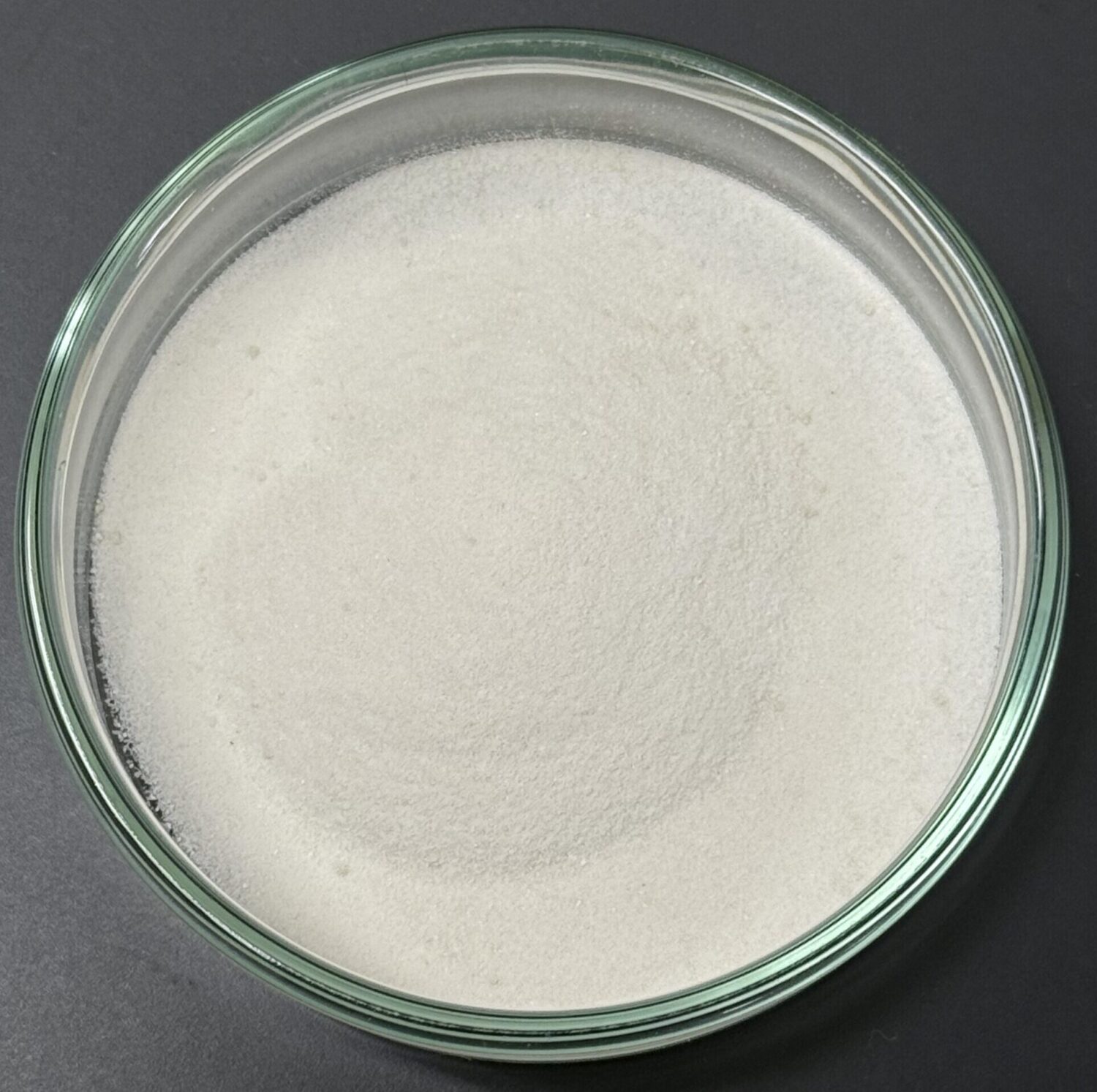
Brass Nanoparticles Supported on Baking Soda
Torque sensor built-in shaft for E-bike
Torque sensor integrated axle
Since the bicycle was put to practical use in Europe in the early 19th century, it has been continuously improved. Nowadays, sales of electric assist bicycles in the EU reached 2.8 million units in 2019, and European media predict that annual sales will reach 6.5 million units in 2025.
A key technology in electric assist bicycles is the torque sensor. It is a key component of the electric assist system that senses the force with which the rider is pedaling, or how hard they want to pedal. A torque sensor integrated axle provides a smoother and more comfortable ride.
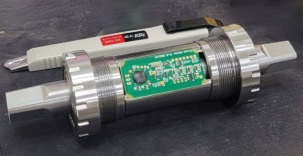
By using both a speed sensor and a torque sensor, the system can more accurately understand the rider’s pedaling condition and provide more natural and smooth assistance. The bottom bracket and axle lengths are customizable.
Specifications
| Item | Parameter |
| Input voltage | 4.5 to 5.5V |
| Input power | <0.2W |
| Torque Output Analog Voltage | 0.75 to 3.2V |
| Speed Signal Pulse Count | 36r |
| Speed Signal Duty Cycle | 50% |
| Sensor Signal Gradient | 35mV/N.m |
| Measurement Range | 1 to 7 N.m (Maximum 200 N.m) |
| Headset Tooth Gauge | BC9C (1.375 x 24) |
| Waterproof Rating | IP65 |
| Operating Temperature Range | -20 to +60℃ |
| Storage Temperature Range | -40 to +85℃ |
Features
- Natural and Smooth Assist: By combining both speed and torque sensors, the system accurately detects the rider’s pedaling condition, resulting in a more natural and smoother assist.
- Adaptive Assist for Optimal Riding Experience: Higher-end models incorporate gyroscopes and accelerometers to analyze road incline and provide optimal assist based on riding conditions, offering the best possible riding experience.
- Simplified Structure and Reduced Costs: A brand-new design utilizing strain gauges significantly simplifies the structure, leading to cost reduction.
- Proprietary Technology Prevents Imitation: Our unique technology overcomes the challenge of strain gauge calibration, making imitation difficult.
- AI-Powered Dynamic Optimization: AI-driven dynamic and automatic optimization ensures an increasingly smooth and comfortable ride the more you use it.
Aivada™ AI Heart (Japanese version) coming soon

Overview of AI Heart
The Aivada™ AI Heart, offered by Labelle Digital Intelligence Inc., is an advanced hardware solution operating on a compact single-board device. This kit is equipped with sophisticated AI capabilities, particularly the Aivada™ Safety Co-pilot feature, which enhances driving safety and support. With autonomous learning abilities and human-like perception, Aivada™ serves as a smart partner in personal life while safeguarding data privacy. Versatile in nature, this kit caters to both individual and household use, as well as offering customization options to meet various needs of product developers.

The Aivada™ AI Heart is a compact, standalone single-board computer powered by the core AI technology “SYHAI”. Measuring just 3.5 inches, this 64-bit CPU-equipped hardware offers advanced visual recognition capabilities through dual cameras. With robust Wi-Fi, Bluetooth, and IoT connectivity, it can integrate with a variety of sensors to support diverse applications. Its built-in battery provides over 12 hours of independent operation, delivering smart solutions anytime, anywhere. (Dimensions: approx. 12cm in length, weight: approx. 250g)
SYHAI AI Core

After years of continuous effort and technological innovation, we have achieved significant breakthroughs in the field of artificial intelligence. We are proud to introduce our Third Generation Interactive AI revolutionary core technology – “SYHAI Conscious AI,” short for “SYHAI.”
“I think, therefore I am,” as famously said by the philosopher René Descartes, emphasizes the essential nature of human existence tied to thought. The design of SYHAI aims to simulate the human brain’s thinking process, transcending the limitations of traditional artificial intelligence. It delves deeper into simulating sensory activities, logical thinking, and even aspects of the human psyche. This innovation encompasses sensory experiences, logical analyses, and emotional dimensions. SYHAI has the potential to revolutionize our lives, and we are focused on developing these core functions:
Consciousness Simulation
At the heart of SYHAI lies the simulation of consciousness, seeking to create a thinking entity akin to human cognition. This simulation enables SYHAI to authentically perceive the world, engage in reasoning, and experience emotions, thereby possessing both consciousness and emotional states. This fusion allows SYHAI to respond naturally to its environment, producing more humane decision-making.
Autonomous Thinking and Action
SYHAI processes input data using a human-like approach, encompassing understanding, error correction, skepticism, motivation, reasoning, causality, and prediction. It generates appropriate actions based on its own benefit, mimicking human thinking. This capability enables adaptive responses across various contexts, such as conversing, performing tasks, or managing work content.
Learning and Growth
SYHAI through the ‘Deep Brain Learning‘ technology, possesses the ability to learn and grow, much like how humans continually accumulate knowledge and experience. This includes neural network reorganization and memory optimization during sleep, learning new information, data analysis, and engaging in mental activities. By establishing a neural knowledge graph, it enhances its own level of intelligence.
Integration of Human-Like Attributes and Data Organization
SYHAI amalgamates independent consciousness and emotional simulation similar to humans. It combines the emulation of the human neural system with deep learning based on big data analysis. This duality equips SYHAI with both human-like, natural traits and the predictive, organizational abilities of big data models.
Emphasis on Temporality
Time, an omnipresent entity, weaves through our lives, changes, and evolutions. Within the core technology of SYHAI, time plays a pivotal role, deeply influencing the simulation of our thinking processes.
SYHAI vs. Generative AI Comparison
- SYHAI is NOT generative AI, and does not have the following issues:
- Difficulty in interpretability
- Potential for false information and source
- LLM Hallucinations
- Security risks
- Possibility of personal data leakage
- Require large datasets
- Centralized architecture requires online operation
- Training requiring massive GPU and electricity
(Training GPT consumes 240 million kWh) - Runtime-dependent GPU and high memory
(Running GPT consumes 500,000 kWh per day)
- Advantages of SYHAI over generative AI
- Simulate human autonomous consciousness
- Simulate human logical learning ability
- Each SYHAI is a unique entity.
- Accumulate and learn knowledge from the owner
- Adaptability to future changes
- Can run independently on the offline AI Kit
- Direct teaching no need for extensive GPU training models
(No additional energy required to train SYHAI) - 2.4GHz 64-bit CPU capable of smooth execution
(AI Brain Kit consumes less than 0.7 kWh per day)
Beyond Big Data Models: Crafting AI for Genuine Human Cognition and Emotional Interaction
Our artificial intelligence is conceived with the creation of artificial consciousness in mind. We simulate human thought processes by gathering sensory data, followed by a series of processing steps: disassembly, analysis, reversal, similarity, time, prediction, causality, and correlation.
In contrast, many AI models on the market rely on algorithmic interpretation of extensive datasets to make predictions and inferences. However, this approach lacks the authenticity of replicating true human thought. Human thinking transcends the mere accumulation of knowledge; it involves learning through the process of thinking, gradually mastering methods and techniques.

In human communication, emotions and sentiments cannot be ignored, making continuous, natural conversation a challenge for big data AI. While big data AI excels in knowledge exchange and Q&A scenarios, emulating human emotional communication remains limited. Nevertheless, our ambition is to achieve full simulation of human thought, realizing natural interactions, continuous learning, and perpetual growth.
The objective of SYHAI is to provide a more genuine, humane artificial intelligence experience. We believe that through simulating human thought processes, new possibilities can be unlocked for future technologies. By pushing the boundaries of artificial intelligence, we are striving to create a more natural and human-like AI interaction experience.
Support for daily living

Through everyday support and intelligent conversations, we provide reminders, chat functions, and interact with users of all ages. Our scheduling feature automatically sends medication reminders and appointment notifications, acting as a personal assistant for daily life. With remote communication capabilities, users can connect with family members through Aivada, strengthening family bonds. Equipped with general knowledge, Aivada offers personalized advice to users.
Visual monitoring
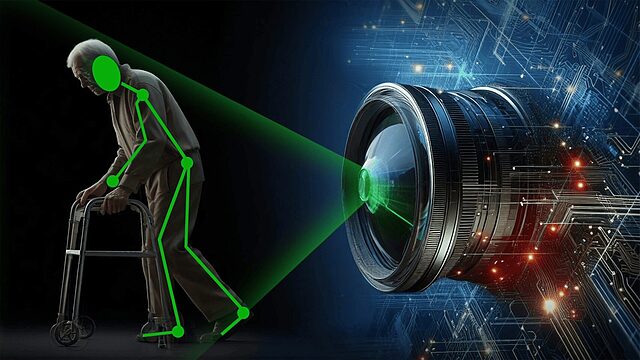
Aivada offers peace of mind with features such as fall detection, which sends immediate alerts to your smartphone. It also analyzes your daily routines to detect unusual behavior or changes in your health. By monitoring your conversations, Aivada can assess your well-being and provide personalized advice. For drivers, Aivada enhances safety by detecting signs of drowsiness, distraction, or decreased concentration. Aivada is designed to not only provide security but also to support your health and overall well-being.
A future full of possibilities

Aivada is an advanced, AI-powered personal assistant designed for offline use. Without an internet connection, it can recognize your voice and complete a variety of tasks. Prioritizing privacy, your personal information is securely protected and never shared. Leveraging deep learning technology, Aivada learns from your voice and behavior patterns to provide a highly personalized experience. It can also acquire new skills through apps and integrate with other smart devices. Aivada not only makes your life more convenient and comfortable but also opens up new possibilities for the future.
Life at home

Aivada is an advanced AI home security system equipped with cutting-edge image recognition technology. It monitors every corner of your home to keep you safe. By learning your family’s behavior patterns, Aivada can detect unusual activities or changes in health. In case of emergencies like falls or fires, it immediately sends alerts to your smartphone and can even contact emergency services. Additionally, Aivada can monitor your health and provide personalized advice. It’s a reliable partner that ensures your safety and comfort.
Aivada™ AI Heart Features
Standalone Hardware and Independent AI
Unlike current large language models that serve all users simultaneously, each AI Brain Kit functions as an independent artificial intelligence device. It’s more than just a chatbot; it’s a highly integrated edge computing platform. Powered by SYHAI core technology, it can understand natural language, engage in conversations, and learn new knowledge autonomously. Beyond simple question-and-answer interactions, it can maintain ongoing conversations, serving as a companion for daily life and relieving boredom.
Offline Operation
Each AI Brain Kit operates in any environment, regardless of network connectivity. No matter where you are, it continues to optimize its unique personality and provide a more customized service without an internet connection.
Advanced Binocular Vision Recognition
Aivada™ AI Brain Kit is equipped with cutting-edge binocular vision recognition technology. This enables it to recognize users, their friends, and family members. It can also detect human actions, movements, abnormal activities, common objects, and even smoke or fire. Furthermore, it can detect falls and the relative positions of objects in a space, and issue warnings in case of anomalies to protect the family’s property and safety.
Home Security and Emergency Assistance
In the realm of home security and emergency assistance, the AI Heart can be equipped with sensors for temperature, humidity, and smoke in addition to its image recognition capabilities. This enables it to provide a comprehensive, intelligent solution for disaster preparedness, emergency response, and elderly care. By promptly issuing alerts and notifying family or emergency contacts in the event of an incident, this feature is particularly valuable for the elderly and children, ensuring they receive timely help and support.
Versatile Applications
The Aivada™ AI Heart is designed to be adaptable to a wide range of applications. It can be integrated into various smart devices, such as home appliances, robots, interactive toys, and security systems. Equipped with advanced visual and auditory capabilities, it can recognize and understand images and sounds in its environment. With its natural and smooth voice output, it can communicate with users, making it more than just an office collaboration tool but a lifelong intelligent companion.
Data security
Aivada™ AI Heart strictly adheres to rigorous privacy standards. All interactions with Aivada™ are protected using end-to-end encryption. This means only you and Aivada™ can access your conversations, preventing unauthorized access or decryption by third parties. Furthermore, as it operates independently of the cloud, your personal data is not sent to external servers. This ensures that your conversations, personal information, and privacy are safeguarded from misuse or leaks.
The benefits of using Aivada™ AI Heart
A being of intelligence beyond AI
It can empathize and understand human needs. It possesses the ability to learn, remember, and apply new information in real time, allowing it to seamlessly adapt to current and future situations.
unique personality
It possesses a unique personality, knowledge, abilities, and emotional expression. Just like human DNA, it develops various personalities along with its owner, making it truly a member of the family.
multiple functions
This intelligent assistant provides comprehensive home management, personalized health monitoring, and emergency response services, acting as a vigilant guardian for you and your family.
A trusted companion who respects privacy
Operating autonomously offline, it provides a secure and private environment. As a dedicated AI companion, it facilitates lifelong learning and personal development.
Examples of applications for the Aivada™ AI Heart

A bionic robot equipped with a comprehensive intelligence suite. Featuring optical and tactile sensors, it is well-suited to facilitate rich interactions and support individuals with unique needs.

A robotic pet capable of sensing and responding to its owner’s emotions. By integrating interactive hardware and collaborating with various companies, it can also be customized into a variety of toys.

Our Safety Co-pilot feature supports your driving by monitoring your behavior and providing real-time alerts to promote safe driving. Whether on long road trips or daily commutes, it actively reminds you to stay alert and helps prevent drowsy and drunk driving.

In the hospitality industry, room attendants play a crucial role in enhancing guest satisfaction by answering guests’ inquiries, providing information about the facilities and surrounding area, and offering suggestions for reservations and services.
Company Plofile
| Company Name | GeneLite Inc. |
| President | Hiroyuki Kaji |
| Location | 5F,Sherrys Shinsaibashi Building,3-4-22, Minamisenba,Chuou-ku,Osaka 542-0081,Japan |
| Contact | TEL: 06-4300-3977 FAX: 06-4300-3978 |
| Capital | 90,000,000JPY |
| Establishment | 2003: Established as MuFlex Co., Ltd. 2006: Changed name to GeneLight Co., Ltd. |
| Business Description | Providing technical support and development assistance using the patented NTOC construction method. Planning and sales of internally developed products. Planning and selling proprietary products. LED Business Laser Business Battery Business Agricultural Auxiliary Materials Business / Agricultural Sub-materials Business |
History
2003
- Myuflex Inc. established Start of Handling Flexible Substrate Materials
2006
- Change of Company Name to GeneLite Inc.
2014
- Nano-Technology Applied Development Company GL Materials Inc. established Change of Company Name to GL Life Inc.(2019/12)
2023
- Commencement of Life Science Business Commercialization of Ag Nano Ban Series